
Essential Rules for Playing Peanuts Card Game
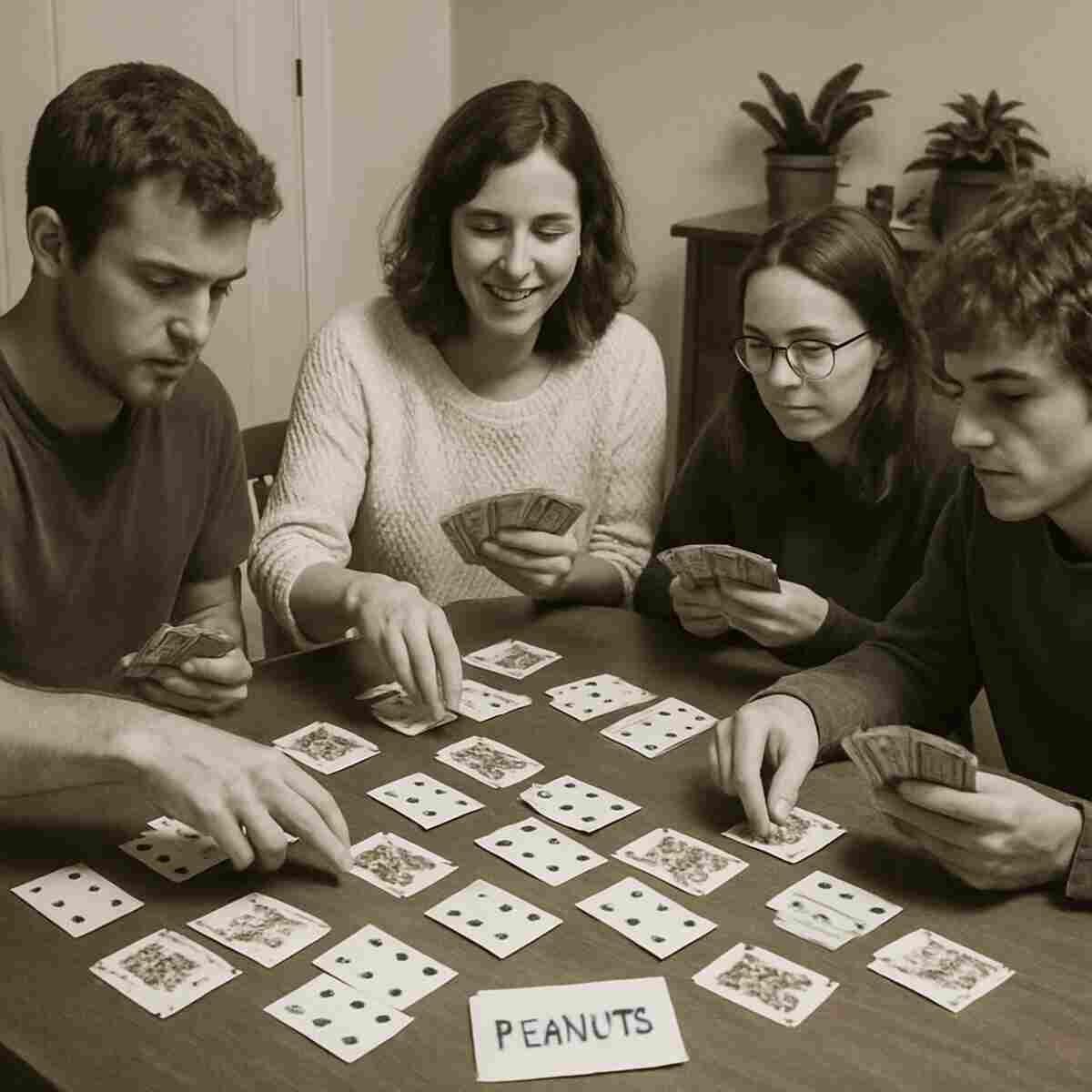
Looking for a fun and fast-paced card game to play with friends or family? Peanuts might just be your new favorite! It’s a lively game that combines elements of solitaire and speed, perfect for those who enjoy a bit of friendly competition. In this comprehensive guide, we’ll explore everything you need to know about Peanuts, from setting up the game to mastering advanced strategies. Whether you’re a newcomer or a seasoned player, this guide will provide valuable insights to enhance your Peanuts experience. To learn more, check out KAPTEN189
Before diving into the exciting gameplay of Peanuts, it’s essential to understand the basic setup and requirements. Proper preparation can make a significant difference in how smoothly your game night unfolds. Let’s explore what you’ll need and how to set up your game area effectively.
What You’ll Need
To play Peanuts, you’ll require a few basic items. Ensuring you have the right materials will set the stage for an enjoyable game. Here’s a detailed look at what you’ll need:
- Two Decks of Cards: Each player needs their own standard 52-card deck. This ensures that everyone has enough cards to play strategically, and the game runs without interruptions.
- A Flat Surface: A table or floor space large enough for each player to have their own area. Having a dedicated space helps maintain organization and allows players to focus on their strategy.
- Two or More Players: While Peanuts is best with two players, you can add more decks and players to increase the excitement. More players bring more unpredictability and challenge to the game.
Preparing Your Deck
Once you’ve gathered your materials, it’s time to prepare your deck. Proper deck preparation is crucial for fair play and smooth gameplay. Here are the steps to get your deck ready:
- Shuffle Thoroughly: Each player should thoroughly shuffle their deck. A well-shuffled deck ensures random card distribution, which is essential for fair play.
- Deal the Stockpile: Create a stockpile by dealing a stack of 12 cards face down in front of you. This stack will be the primary focus of your gameplay.
- Form the Work Pile: Flip the top card of your stockpile face up to start your work pile. The work pile is a critical component for strategic moves.
- Build Your Hand: Hold the remaining deck in your hand. You’ll be drawing from this throughout the game. Your hand offers additional opportunities to influence the game’s outcome.
Setting Up the Play Area
Creating a well-organized play area can enhance the overall gaming experience. Here’s how to set up your play area for Peanuts:
- Designate Player Spaces: Ensure each player has enough room to manage their cards comfortably. Clear any unnecessary items from the table or floor space.
- Arrange Foundation Piles: Leave room in the center of the table for shared foundation piles. These will be crucial for gameplay progression.
- Ensure Visibility: All players should be able to see the foundation piles and each other’s stockpiles easily. This visibility is essential for strategic planning.
Now that you’re set up, let’s move on to the gameplay, where the real excitement begins!
Basic Rules for Peanuts Card Game
The objective of Peanuts is to get rid of all your cards by playing them onto shared foundation piles in the center of the table. Mastering the basic rules is essential for a smooth and enjoyable game. Let’s break down the core components of Peanuts gameplay.
Foundation Piles and Card Placement
Understanding how foundation piles work is crucial for strategic gameplay. The foundation piles are where the magic happens:
- Foundation Piles Setup: These are built in the center of the table and start with an Ace. Players add cards in ascending order by suit (Ace, 2, 3, etc.). The piles grow as players add cards, creating a dynamic and competitive environment.
- Card Placement Strategy: You can play cards from your stockpile, work pile, or hand onto the foundation piles. The key is to plan your moves to maximize your opportunities and minimize your opponents’ chances.
- Building the Sequence: Pay attention to the sequence and suit of the cards on the foundation piles. Strategic placement can give you an edge over your competitors.
Managing Your Cards
Efficient card management is essential to success in Peanuts. Here’s how to handle your stockpile, work pile, and hand effectively:
- Work Pile Moves: You can move the top card of your work pile onto a foundation pile if it fits the sequence. This move can help you clear cards and open new strategic options.
- Hand Moves: Draw three cards at a time from your hand and try to play the top card onto a foundation pile or your work pile. Keep an eye on potential combinations and opportunities.
- Building Your Work Pile: You can build down in descending order and alternating colors (like solitaire). This technique allows for more flexibility in card placement and can lead to strategic advantages.
Scoring Points and Winning
The ultimate goal in Peanuts is to be the first to call “Peanuts!” by emptying your stockpile. Here’s how scoring and winning work:
- Peanuts Call: The game ends when a player moves all cards from their stockpile to the foundation piles and calls “Peanuts!” This call signifies victory and initiates the scoring process.
- Points Calculation: Count the cards left in each opponent’s stockpile. The player who called “Peanuts” gains points equal to the number of cards remaining in the opponents’ stockpiles. Accumulating points over multiple rounds can determine the overall winner.
Tips and Strategies
Playing Peanuts requires a mix of quick thinking and strategy. These tips can give you an edge over your opponents, whether you’re a beginner or an experienced player.
Stay Alert and Quick
Success in Peanuts often hinges on your ability to react swiftly and efficiently. Here’s how to stay ahead of the competition:
- Fast Reactions: Keep an eye on the foundation piles and be ready to play your cards quickly. Speed can make the difference between winning and losing.
- Plan Ahead: Look ahead in your hand to see potential moves and be prepared to play them. Anticipating upcoming cards can improve your strategic positioning.
- Adaptability: Be prepared to change your strategy on the fly as the game evolves. Flexibility is a valuable trait in Peanuts.
Manage Your Stockpile
Your stockpile is a central element of your strategy. Proper management can lead to victory:
- Prioritize Stockpile Cards: Focus on moving cards from your stockpile first to open up new cards and increase your chances of making moves. This approach can accelerate your path to calling “Peanuts!”
- Use Work Pile Wisely: Build your work pile strategically to help you move more stockpile cards. A well-constructed work pile can unlock new opportunities.
- Clear Bottlenecks: Pay attention to potential obstacles in your stockpile and work pile, and address them proactively to maintain momentum.
Disrupt Opponents
In Peanuts, disrupting your opponents’ strategies can be as important as advancing your own. Here are some tactics to consider:
- Block Foundation Piles: Sometimes playing a card quickly can block your opponent from making a move they were hoping for. Timing can disrupt their plans and give you the upper hand.
- Watch Opponents’ Stockpiles: Stay aware of how many cards your opponents have left to try to prevent them from calling “Peanuts.” Monitoring their progress can inform your strategic decisions.
- Psychological Play: Use psychological tactics to keep your opponents guessing and off-balance. Subtle distractions or feints can lead to mistakes.
Variations and Advanced Rules
Once you’ve mastered the basic rules, you can introduce variations to make the game even more interesting. These advanced rules and variations can add new layers of complexity and excitement.
Team Play
Team play introduces collaboration and shared strategy into Peanuts. Here’s how to incorporate team dynamics:
- Partnerships: Pair up with another player to combine your strategies and work together to call “Peanuts” first. Teamwork can lead to creative solutions and unexpected victories.
- Communication: Develop a system of communication with your partner to coordinate moves effectively. Clear signals can enhance your team’s performance.
- Synergy: Leverage each partner’s strengths to create a well-rounded and adaptable team strategy.
Timed Rounds
Adding a time constraint can elevate the intensity of Peanuts. Here’s how to implement timed rounds:
- Set a Timer: Add a timer for each round to increase the pressure and speed up gameplay. Time limits can force players to make quicker decisions and add excitement.
- Time Management: Practice managing your time effectively to maximize your moves within the constraints. Efficient play can lead to unexpected advantages.
- Adaptation: Adjust your strategy to fit the time limits, focusing on high-impact moves and quick reactions.
Joker’s Wild
Introducing jokers can create new strategic possibilities. Here’s how to use jokers in Peanuts:
- Add Jokers: Include jokers in the decks as wild cards that can be played as any card to complete a foundation pile. Wild cards introduce unpredictability and new opportunities.
- Strategic Use: Decide when to use jokers for maximum impact, whether to complete a sequence or disrupt an opponent’s plans.
- Balancing Act: Consider the potential benefits and drawbacks of using jokers early versus saving them for critical moments.
Conclusion
Peanuts is a thrilling and engaging card game that’s perfect for anyone looking to mix strategy with speed. Whether you’re playing with friends or family, it’s sure to bring laughter and excitement to your game night. So gather your decks, shuffle up, and dive into the fun world of Peanuts!
Remember, the key to mastering Peanuts is practice. The more you play, the better you’ll become at spotting opportunities and outsmarting your opponents. With this comprehensive guide, you’re well-equipped to enjoy all the nuances and excitement that Peanuts has to offer. Happy playing!