
HTTPS Proxy vs. VPN: Key Differences Explained
In the digital age, privacy and security are paramount. As individuals and businesses increasingly conduct activities online, understanding the distinctions between HTTPS proxies and VPNs (Virtual Private Networks) is crucial. Both tools serve to enhance security and privacy, yet they do so in distinct ways. In this article, we delve into the key differences between HTTPS proxies and VPNs, offering insights into their respective functionalities, advantages, and potential drawbacks. Select the best proxies for social media accounts.
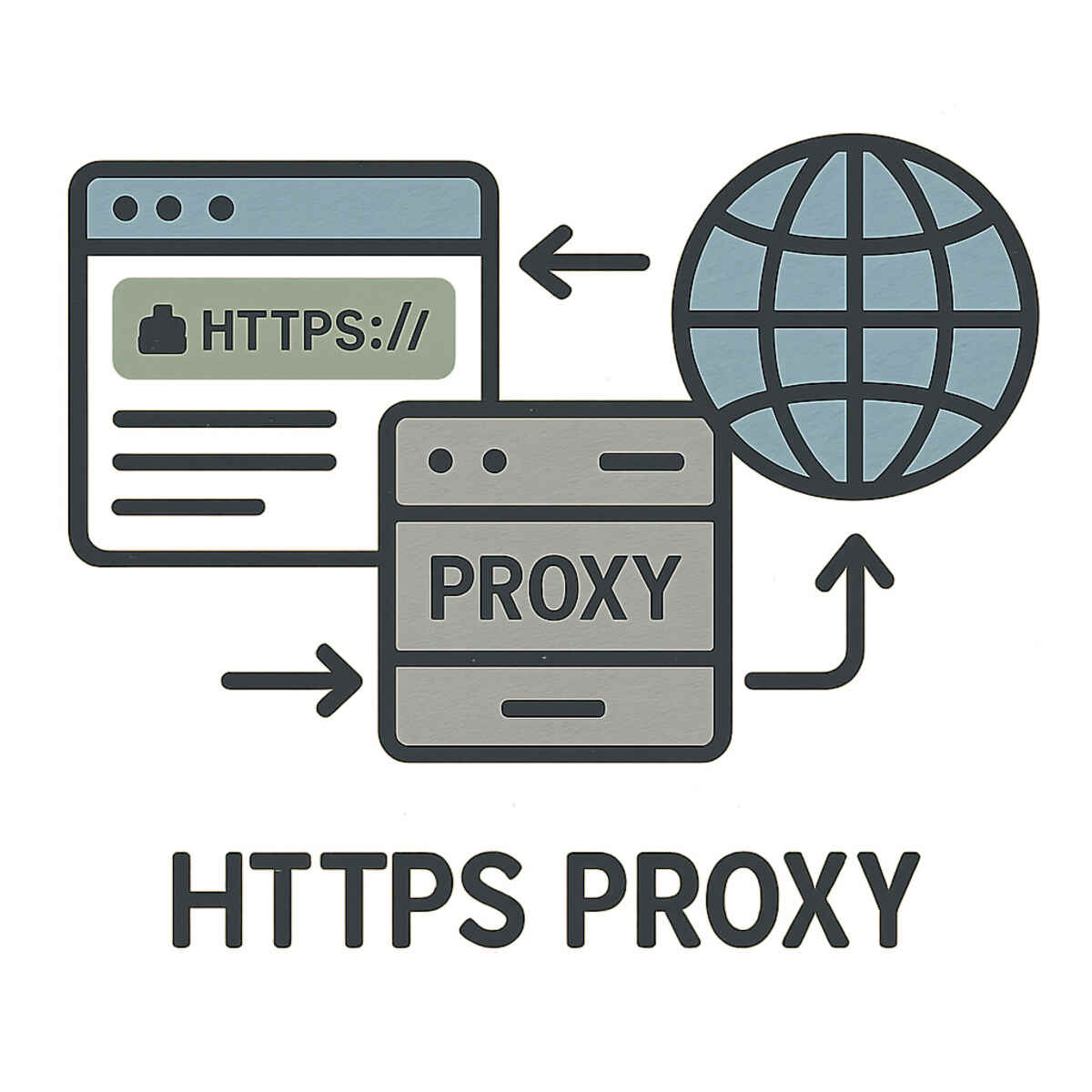
An HTTPS proxy acts as an intermediary between your device and the internet. It routes your requests through a proxy server, thereby masking your IP address and providing a degree of anonymity. HTTPS proxies are particularly useful for accessing geo-restricted content or bypassing certain network restrictions.
How HTTPS Proxies Work
When you use an HTTPS proxy, your internet requests are first sent to the proxy server. The server then forwards these requests to the target website, making it appear as though the requests originated from the proxy server rather than your device. This process can help protect your identity and location from the websites you visit.
In essence, the proxy server acts as a gateway, receiving your requests and transmitting them to the internet. When the target website responds, the proxy server relays the data back to you. This setup not only masks your true IP address but also helps manage bandwidth and can offer caching to improve load times for frequently accessed resources.
Furthermore, HTTPS proxies work specifically with web traffic, utilizing the secure HTTPS protocol. This means that while the connection between your device and the proxy server is secure, other types of internet traffic, such as email or non-web applications, remain unaffected by the proxy.
Advantages of HTTPS Proxies
- Anonymity: By obscuring your IP address, HTTPS proxies offer a layer of anonymity. This can be particularly beneficial for users who wish to browse the internet without revealing their location or identity, thereby reducing the risk of targeted advertising or online tracking.
- Access to Restricted Content: They enable users to access content that may be restricted in their geographical location. This is particularly useful for streaming services or news websites that limit access based on the user’s region, allowing you to appear as though you are browsing from a different location.
- Speed: HTTPS proxies can sometimes offer faster connection speeds compared to VPNs, as they handle less data encryption. The reduced overhead from encrypting only web traffic means that users can enjoy quicker load times and reduced latency, especially when accessing web pages and online resources.
Limitations of HTTPS Proxies
- Limited Encryption: Unlike VPNs, HTTPS proxies do not encrypt all internet traffic, only the data transmitted between your device and the proxy server. This limited scope means that other internet activities, such as sending emails or using non-web-based applications, are not encrypted and remain vulnerable to interception.
- Session-Based: Proxies are typically session-based, meaning they only apply to the browser or application configured to use them. This requires manual configuration for each application or browser, and users might forget to enable the proxy for all necessary programs, leaving some traffic unprotected.
- Reliability and Trust: The effectiveness of an HTTPS proxy is heavily dependent on the reliability and trustworthiness of the proxy provider. Free proxies, in particular, may not offer the same level of security and could potentially log user data, posing a risk to privacy.
Understanding VPN
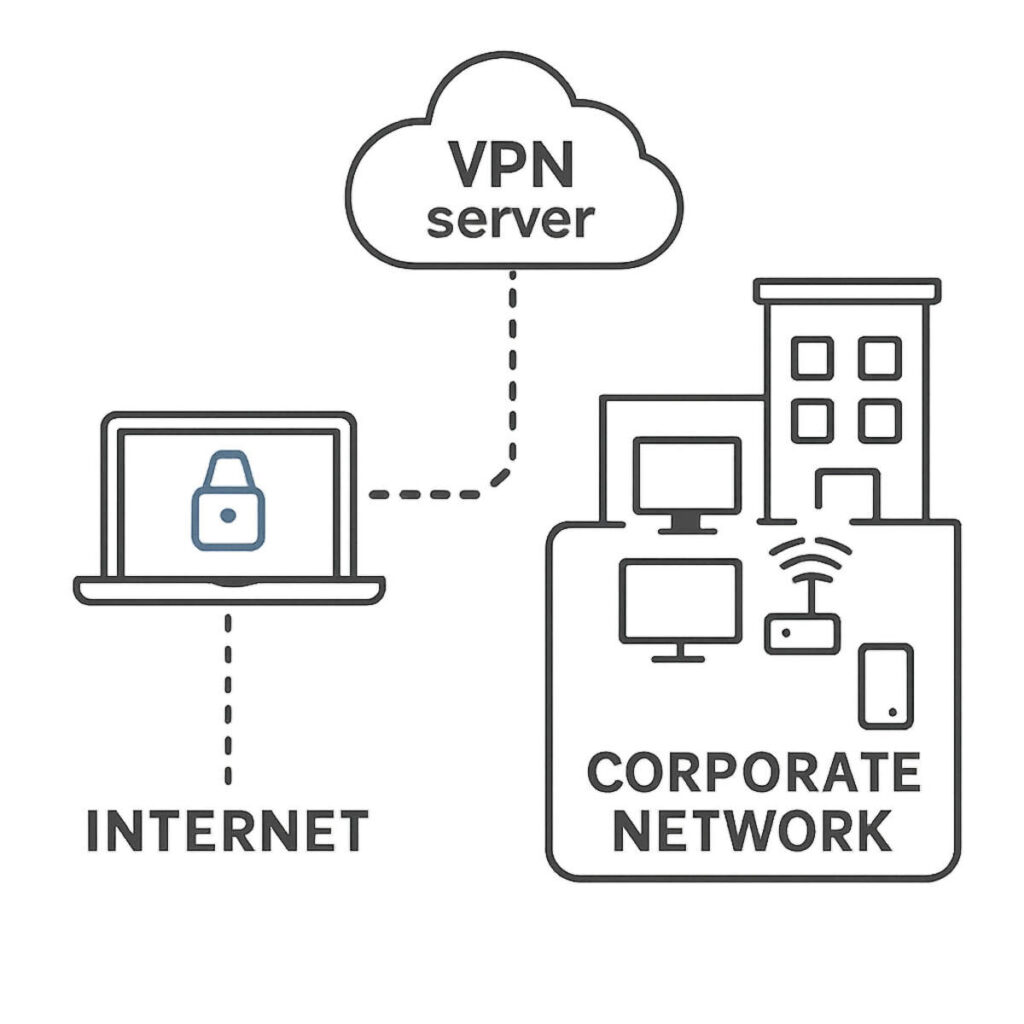
A VPN, or Virtual Private Network, is a more comprehensive tool that provides a secure connection over the internet. It encrypts all data transmitted between your device and the VPN server, ensuring that your online activities remain private from prying eyes.
How VPNs Work
When you connect to a VPN, your internet traffic is routed through an encrypted tunnel to a VPN server, which then connects to the internet on your behalf. This process hides your IP address and encrypts all data, making it difficult for third parties to intercept or decipher your online activities.
The VPN tunnel ensures that all data leaving your device is encrypted, regardless of the application or service you are using. This comprehensive encryption protects your information from hackers, government surveillance, and even your Internet Service Provider (ISP), which would otherwise have insight into your online behavior.
Additionally, VPNs often employ various protocols, such as OpenVPN, L2TP/IPsec, or WireGuard, to ensure secure and efficient data transfer. These protocols vary in terms of speed, security, and compatibility, allowing users to choose the best option for their specific needs.
Advantages of VPNs
- Comprehensive Encryption: VPNs encrypt all internet traffic, providing a higher level of security and privacy. This all-encompassing protection ensures that every piece of data transmitted from your device is secure, safeguarding sensitive information like passwords, financial transactions, and personal communications.
- Network-Wide Protection: Once connected, a VPN secures all internet traffic from your device, not just specific applications or browsers. This means that you can browse, email, stream, and engage in online activities without worrying about data leaks or vulnerabilities, making VPNs an ideal choice for privacy-conscious users.
- Access to Global Content: VPNs allow users to bypass geo-restrictions by masking their true location. By connecting to a VPN server in a different country, users can access content that might be restricted in their region, such as foreign streaming services or region-specific websites.
Limitations of VPNs
- Potential Slower Speeds: The encryption process can result in slower internet speeds compared to using a proxy. The additional overhead from encrypting all traffic can lead to increased latency, particularly if connected to a VPN server far from your physical location.
- Cost: While there are free VPN services available, premium VPNs often come with subscription fees. Free services may lack robust security features or have limitations on speed and data usage, whereas paid options typically offer more reliable performance and advanced security protocols.
- Complexity: Setting up and using a VPN can be more complex than simply configuring a proxy. Users may need to install VPN client software, choose appropriate protocols, and understand server locations, which can be daunting for those unfamiliar with network configurations.
Key Differences Between HTTPS Proxy and VPN
Encryption and Security
One of the most significant differences between HTTPS proxies and VPNs lies in their approach to encryption.
- HTTPS Proxies: Provide limited encryption, only securing data between your device and the proxy server. This means other data transmitted outside this connection remains unencrypted, leaving it susceptible to interception by malicious actors or unauthorized entities.
- VPNs: Offer comprehensive encryption for all internet traffic, ensuring complete privacy and security. This blanket encryption makes it exceedingly difficult for third parties to access or monitor your online activities, providing peace of mind for users concerned about data privacy.
Scope of Application
- HTTPS Proxies: Typically work on a per-application basis. For instance, you might configure your web browser to use a proxy, but other applications on your device will not be protected. This selective coverage requires individual setup for each application, which can be cumbersome and may leave some data unprotected.
- VPNs: Apply to the entire device, encrypting all internet traffic regardless of the application in use. This holistic protection ensures that every piece of data transmitted from your device is secure, providing a seamless and comprehensive security solution.
Performance and Speed
- HTTPS Proxies: Often provide faster connection speeds due to handling less data and limited encryption. The reduced overhead allows for quicker data transmission, making proxies an attractive option for users prioritizing speed over security.
- VPNs: May experience slower speeds as a result of encrypting all traffic, but this varies based on the VPN service and server location. High-quality VPN providers optimize server infrastructure to minimize speed reductions, offering fast and reliable connections even with comprehensive encryption.
Cost and Availability
- HTTPS Proxies: Many free HTTPS proxy options are available, though they may have limitations in terms of speed and reliability. Free proxies can be a cost-effective solution for users needing basic anonymity or content access without comprehensive security.
- VPNs: While there are free VPNs, premium services tend to offer better security, speed, and reliability, often requiring a subscription. The investment in a paid VPN can provide enhanced features, such as no-logs policies, unlimited bandwidth, and access to a broader range of server locations.
Choosing the Right Tool for Your Needs
Selecting between an HTTPS proxy and a VPN depends on your specific needs and circumstances.
When to Use an HTTPS Proxy
- Accessing Geo-Restricted Content: If your primary goal is to access content restricted to certain locations, an HTTPS proxy may suffice. Proxies can effectively mask your location, enabling access to region-locked websites or streaming services without the need for full encryption.
- Faster Browsing Needs: When speed is a priority and you don’t require full encryption for all traffic. HTTPS proxies offer lower latency and faster load times, making them suitable for users who prioritize quick access over comprehensive security.
- Cost-Effective Solutions: For users seeking a free or low-cost option for occasional anonymity or content access, HTTPS proxies provide a viable solution without the need for a subscription.
When to Use a VPN
- Enhanced Privacy and Security: If comprehensive privacy and security are your main concerns, a VPN is the better choice. The robust encryption and device-wide protection offered by VPNs ensure that all data transmitted from your device is secure, making them ideal for users handling sensitive information.
- Device-Wide Protection: When you need to ensure all data from your device is encrypted, not just specific applications. VPNs provide seamless protection across all applications and services, eliminating the need for individual configuration and ensuring consistent security.
- Global Accessibility: For users who frequently travel or need to access content from various regions, VPNs offer the flexibility to connect to servers worldwide, bypassing geo-restrictions and providing unrestricted internet access.
Conclusion
In the realm of online privacy and security, both HTTPS proxies and VPNs offer valuable benefits, yet they are tailored for different purposes. Understanding their key differences—encryption levels, scope of application, performance, and cost—can guide you in making an informed decision that aligns with your privacy requirements and internet usage habits. Whether you choose an HTTPS proxy for its speed and simplicity or a VPN for its robust security and comprehensive protection, the critical point is to prioritize your digital privacy in today’s interconnected world.